

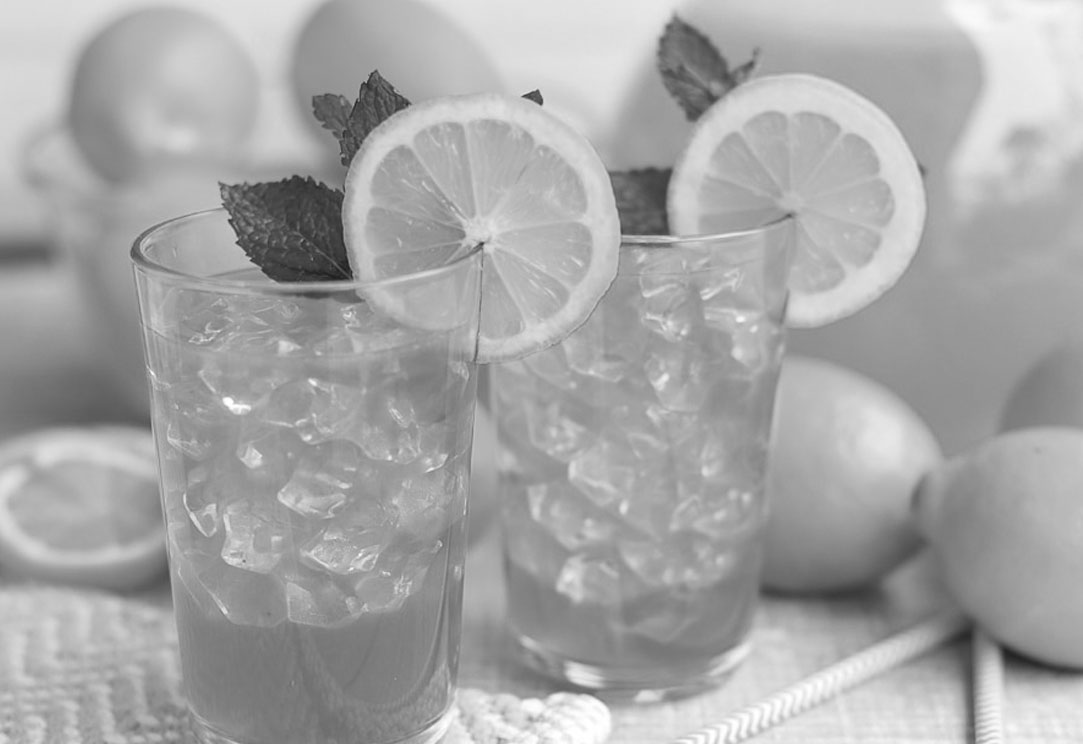

While there are a few different claims as to exactly how pink lemonade was invented, the two most plausible both involve the circus. The first claim comes from the New York Times obituary of Henry E. Allott, a Chicago native who ran away and joined the circus as a teen. He is said to have accidentally invented pink lemonade when he dropped some red cinnamon candies into a vat of lemonade, creating a pink-hued drink. Instead of throwing out the batch, he simply served the pink lemonade to circus goers, who loved it. The second claim comes from a 1921 book written by Harvey W. Root called The Ways of the Circus: Being the Memories and Adventures of George Conklin Tamer of Lions. In the book, Root’s main subject, George, claims that his brother, Pete Conklin, was selling lemonade at the circus in 1857. After running out of water, Pete simply grabbed a nearby tub of dirty water in which a performer had just finished wringing out her pink tights and used the pink-tinted water to create lemonade for guests, which he passed off as “strawberry lemonade.” According to Root’s book, the unique color caused sales to double and other circuses began selling the unique-looking drink, too. But the concept wasn’t as new as it might seem. Lemonade itself is a surprisingly ancient drink and in the 1800s, it had already become wildly popular across America. The earliest known written reference to pink lemonade in the United States comes from an 1879 article in West Virginia’s Wheeling Register, which also mentions the circus, lending additional credence to the idea that it was likely invented — or at least popularized — there. But similar concepts did already exist. For example, E.E. Kellogg's 1892 book, Science in the Kitchen, includes a pink lemonade recipe made with “fresh or canned strawberry, red raspberry, currant or cranberry juice.” Still, this fruit-sweetened drink isn’t quite the same as the pink lemonade served at circuses. That version, which is what we are familiar with today, tastes nearly identical to regular lemonade and typically relies on colorants rather than additional flavorings to create the pink hue. Interestingly, it’s thought that the color itself was part of the drink’s appeal to early customers. Essentially, the circus attendees were wowed by the fantastical sights they saw and were excited for a similarly impressive drink. The pleasant but still foreign pale pink color of pink lemonade tickled their fancy — and has continued to captivate Americans for generations. Today, pink lemonade remains a favorite at various events and is also often served at restaurants or made in home kitchens, usually with the aid of store-bought powders or mixes.

Your go-to guide for weird history facts
Subscribe to the FREE daily email that makes learning about history fun.