

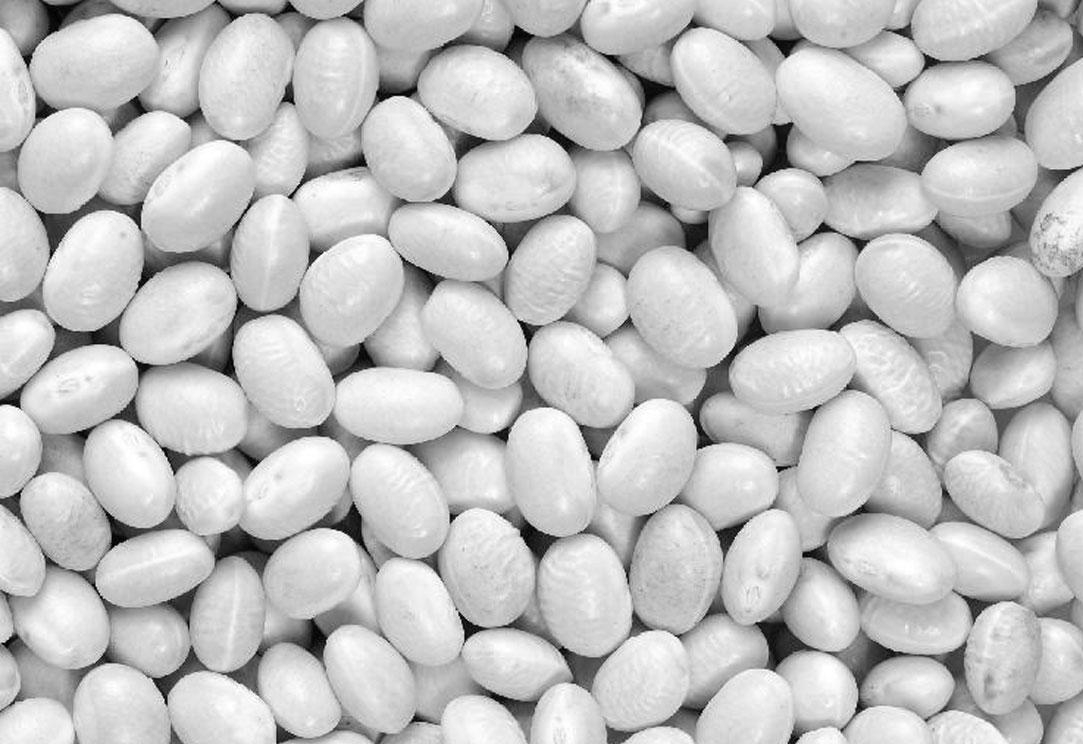

Navy beans are a specific variety of the common bean scientifically known as Phaseolus vulgaris. They were first cultivated in what is now Peru many millennia ago. In fact, there is evidence that humans have been growing and eating beans for over 8,000 years, and Indigenous Peoples living in the Andes and Mesoamerica consumed them regularly. Through trade, the mild-tasting, easy-to-cook navy beans eventually spread to many parts of the world and became a key part of many cuisines. They were provided to soldiers during the Civil War in America because they were cheap and nutritious; there was even a traditional song sung by soldiers at the time called “The Army Bean.” The beans also sustained sailors in the U.S. Navy in the 19th century, which is where the name “navy bean” comes from. During World War I, navy beans were once again provided to U.S. Navy sailors as well as to other members of the military. However, navy beans weren't just a military ration — they were also quite popular in the civilian world. In fact, they are the key ingredient in the famed Boston Baked Beans and also appear in Washington, D.C.’s famous Senate Bean Soup. They are also consumed widely in other parts of the world and appear in dishes such as Serbia’s pasulj and Hungary’s bab leves. Today, navy beans remain a staple ingredient in the United States as well as in many other parts of the world.

Your go-to guide for weird history facts
Subscribe to the FREE daily email that makes learning about history fun.