

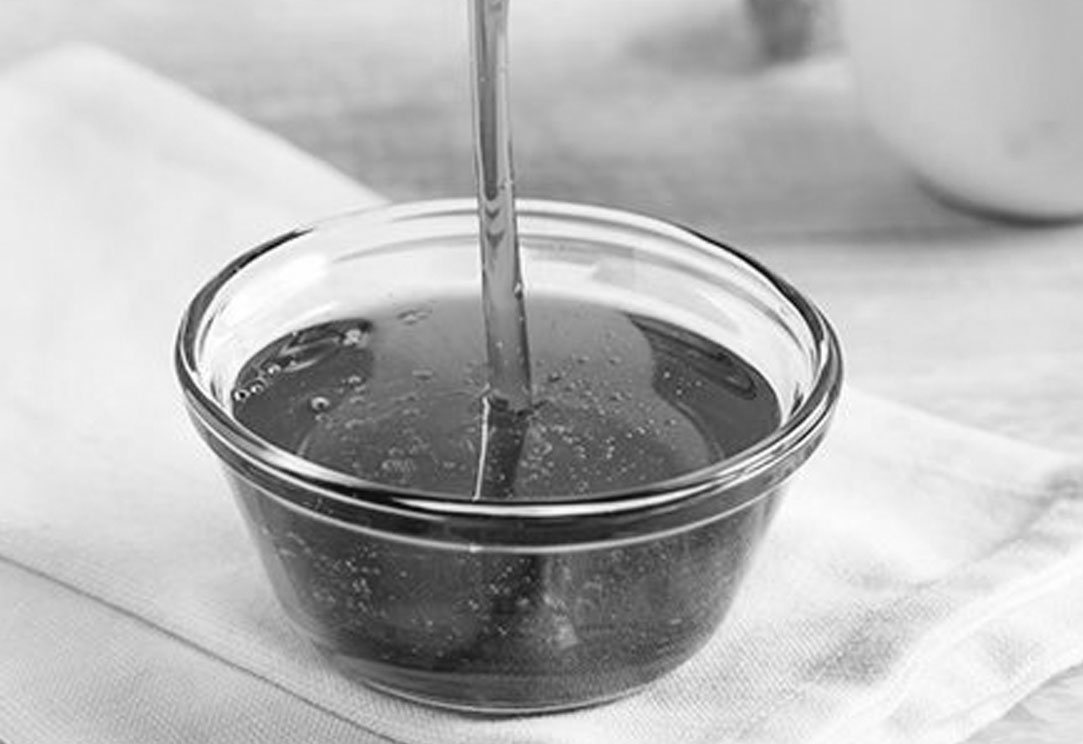

The agave plant is native to the Americas and parts of the Caribbean. Indigenous peoples such as the Aztecs used agave fibers for clothing, footwear, paper, and building materials. They also used pulque, an alcoholic beverage made from fermented agave sap, in religious rituals and considered the drink to be a gift from the gods. The agave plant was also widely used by Indigenous peoples for both medicinal and culinary purposes. In the 1500s, the Spanish conquerors encountered the agave plant and began distilling it into tequila. The first tequila distillery opened in Mexico in the early 1600s. In recent decades, agave syrup, a sweet, non-alcoholic liquid made from the agave plant, has become a popular alternative to sugar, with its proponents noting that it has a lower glycemic index. Today, agave syrup is used in cooking and baking as well as to flavor beverages like coffee. It is now widely available in most U.S. supermarkets and is also consumed in many other countries.

Your go-to guide for weird history facts
Subscribe to the FREE daily email that makes learning about history fun.